

Change feels scary. Most folks just go with what they know, even if there are better choices. Our brains fight changing things up for more than just being difficult. Comfort zones and fear build invisible walls around us.
Why Our Brains Love the Familiar
Human brains work like prediction machines. They guess what happens next based on what happened before. This mental shortcut saves energy. It keeps us safe, too. Scientists call this “status quo bias.” We prefer things to stay the same. We overvalue what we have right now. The benefits of trying something different? We tend to overlook those. This bias shows up everywhere. The products we buy. The careers we choose. The relationships we maintain.
Read More: Enhancing Oral Wellness: Modern Approaches to Achieving a Radiant Smile
Your brain shoots out stress hormones when you encounter something new. These chemicals make you feel uneasy. They push you back toward what you know. Just think of it like an internal alarm. It happens whenever you leave your comfort zone. Sometimes it screams. Sometimes it whispers. But it’s always there, keeping you safe.
The Hidden Costs of Staying Put
You might find it surprising how costly playing it safe can be. If you don’t change, you’ll miss out on growth. You just go with “good enough” instead of chasing something amazing. Someone sticks with the same hairstyle for twenty years. Sure, they look fine. But what if another style would make them feel incredible? They’ll never know.
Refusing to change prolongs problems. People keep complaining about the same problems every year. Still, they won’t attempt new solutions. Familiar problems feel safer than unknown outcomes. So the cycle continues. Frustration builds. Nothing changes. Years pass. The price adds up over time. Missed opportunities. Dreams that fade because taking action felt too risky.
Breaking Through Mental Barriers
Good news arrives here. Brains can adapt to change. Small steps always trump giant leaps. Low-stakes experiments work wonders. Switch your coffee order tomorrow morning. Choose a different route home. Stroll down an unfamiliar street. These tiny changes teach your brain something important. New experiences can be safe. Fun, even.
Success stories from others help tremendously. When you see people benefit from change, your brain updates its predictions. Social proof shrinks the perceived risk. One brave soul tries something new. Others follow. Soon, what seemed impossible becomes normal. Communities shift this way, one person at a time.
Making the Switch Stick
Willpower alone won’t cut it. Your environment needs to support the change you want. Remove friction from new behaviors. Add obstacles to old ones. Want to exercise more? Leave your workout clothes by your bed tonight. Want to start eating better? Hide the chips. Put the fruit on the counter.
Read More: 5 Signs You Need to Visit a Dentist in Miami Right Now
Timing matters more than most people realize. Brains open up to change during transition periods. A new home. A different job. The start of a new year. These moments create mental space for fresh habits. Old patterns lose their grip when everything else shifts around them.
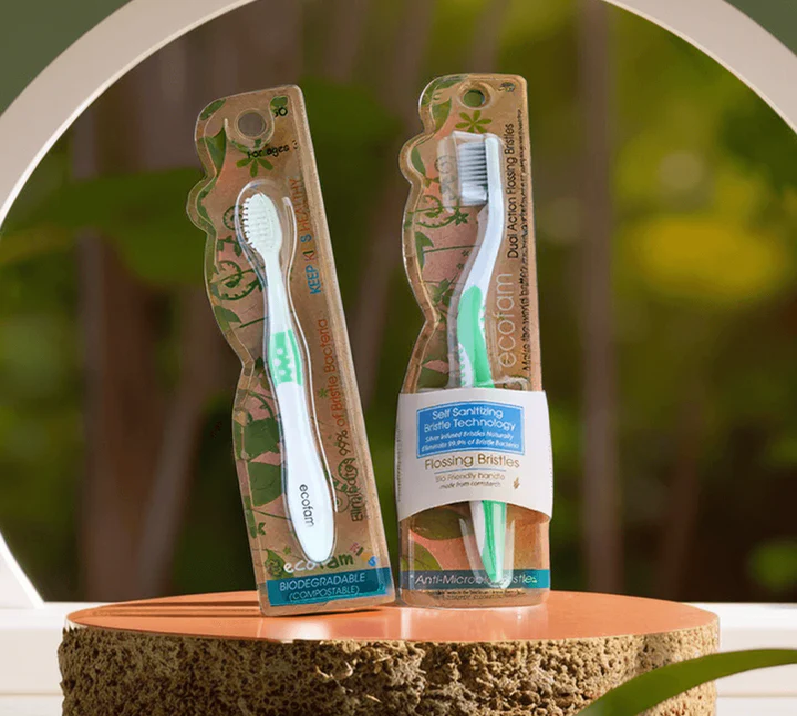
Small wins create big momentum. Each successful change makes the next one easier. Someone might start by switching to a compostable toothbrush from Ecofam. They feel good about reducing plastic waste. Next, they try reusable bags. Then glass containers. One positive change triggers another. The domino effect takes over.
Conclusion
Knowledge about resistance to change gives you power over it. Yes, brains prefer familiar territory. They also adapt remarkably well when given the chance. Recognize your biases. Start small. Create supportive environments. These steps help overcome the fear that holds you back. The path to something completely different begins with understanding why you hesitate. Just take the first step. You’ll look back and wonder why you waited.