

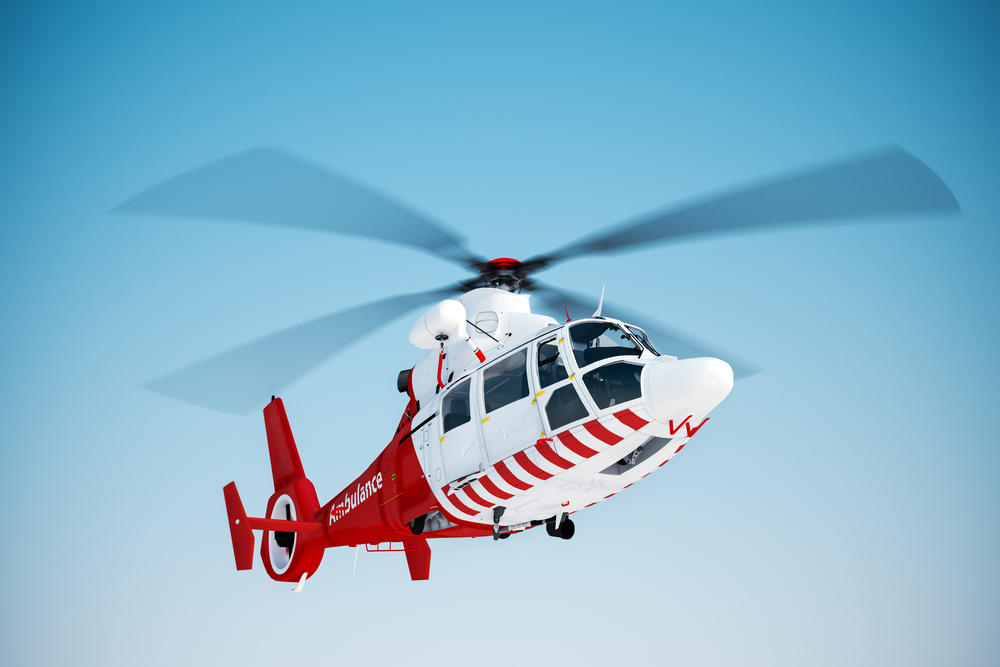
Medical flight transport specialists know very well that numerous factors need to be considered when organizing a patient flight: from preparing the aircraft and recruiting the crew to securing medical equipment. Also, depending on the location of the pick-up point and destination, coordination may be required with hospitals, ground ambulances, and air traffic control. Of course, there is always the flight itself – a potentially stressful experience even for the most stable patients. That said, the period before takeoff also demands thorough and careful planning. Here are several reasons that explain why loading deserves additional focus and care.
Why Loading Is Crucial
Patient loading is one of the most delicate operations carried out within any medical flight. The patient can be critically ill or injured, or connected to a variety of devices, from monitors to ventilators.
Read More: Pulmonary Hypertension in Newborns: A Complete Guide for Parents
The risk associated with the loading operation is the possibility that a bump, jolt, or sudden movement may lead to discomfort or even aggravation of the existing condition.
Protecting Your Crew
Moreover, it should be kept in mind that loading has its consequences for the crew as well. Nurses, paramedics, and pilots are frequently required to manually lift patients, and the operation is not always convenient or possible due to the limited space, awkward position of the patient, and things like that. It may result in lower back injuries and strain, thus forcing your specialists to spend days recovering. This may also result in an increased number of workers’ compensation claims. Some operators learn about the frequency of these injuries only after experiencing a loss of experienced personnel.
Better Equipment
Modern loading systems can significantly facilitate the process of moving a patient. The experts from LifePort explain that air medical solutions that prioritize the needs of both the patient and the crew can minimize manual lifting and ensure stability of the patient during this procedure. With powered or assisted systems for loading and secure locking of litters, the medical team can concentrate on providing quality patient care rather than lifting heavy loads.
Saving Time
Every minute counts when it comes to air medical transport. A lengthy loading operation may postpone the takeoff and, thus, increase the time it takes for the patient to reach the hospital. Fast and effective loading systems allow getting airborne quickly. This is especially relevant in the case of trauma patients, stroke cases, and heart attacks: a few minutes make a significant difference.
Aircraft Specifics
Different aircraft types require special approaches to loading. Helicopters, air ambulances, and business jets converted into medical transport have different sizes of doors, interior layout, height of the floor, etc. What is convenient for one particular type of aircraft can prove ineffective for others. Therefore, it would be reasonable to choose the equipment that is designed for your particular aircraft or that can fit several types.
Patient Experience
Loading into the aircraft can be an intimidating experience, especially for conscious patients who feel everything that is happening to them. A quick and efficient loading procedure may reassure patients and their relatives about the safety of their condition. Details like keeping the patient level and informing him/her of every step may significantly reduce stress. Relatives who accompany the patient will also value a well-organized process.
Conclusion
Patient transport is about more than the flight itself. It is wise to pay the same amount of attention to the loading process to ensure the safety of both the patient and the crew from the very beginning of the mission. Investment in proper equipment now can save you money, time, and effort later on.
Read More: What Makes a Supplement Brand Worth Buying? 9 Things to Look For